Community Systems Strengthening module for the Global Fund’s 2025-2028 grant cycle (GC7) in South Africa encompasses the following three community systems strengthening interventions:
1. Community-Led Monitoring (CLM)
2. Institutional Capacity Building, Planning & Leadership Development
3. Social Mobilisation, Building Community Linkages and Coordination
CCI is responsible for coordinating the 1st two of these interventions i.e. CLM and Institutional Capacity Building & Leadership Development.
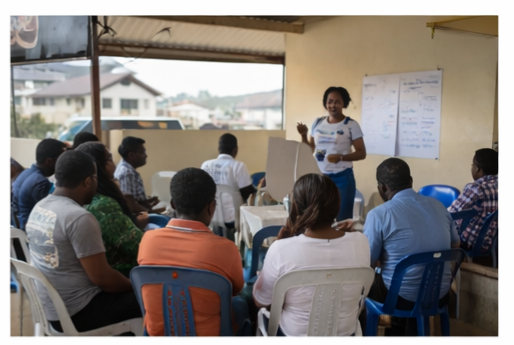
In the Free State, North West and Mpumalanga provinces, CCI’s focus on the Institutional Capacity Building, Planning and Leadership Development intervention is the recruitment and contracting of 10 medium sized organisations (MSOs). These recruited organisations in return will support demand creation, social mobilisation, referrals and linkages for Key Priority (KP) programmes implemented including cross-cutting Human Rights issues. Recruited organisations will also be offered minimal needs-based training mostly on KP programmes supported, HIV/TB and other related health interventions. CCI will also be working closely with MSOs contracted by the other PRs within these three (3) Provinces to ensure a coordinated approach and sustainable health outcomes.
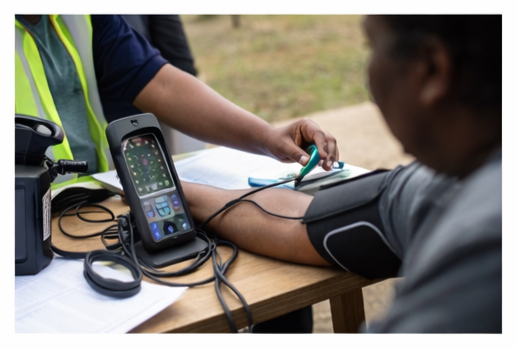
The second intervention, Community-led Monitoring (CLM) is implemented in all the Global Fund (GF) supported provinces, and it is a community-driven accountability approach that is designed to strengthen South Africa’s national response to HIV, TB and STIs. The programme is led and implemented by community-led organisations (CLOs) who are selected as Hosting Organisations for the eight sectors representing key populations and other affected groups.
CLM focuses on improving the availability, accessibility, acceptability and quality (AAAQ) of HIV, TB and STI services in Global Fund–supported districts. By placing communities at the centre of monitoring and advocacy, the programme ensures that services respond to real needs and lived experiences. The main aim is to improve the availability, accessibility, acceptability and quality of HIV, TB and STI services for all affected communities in Global Fund–supported districts.
The CLM Programme is grounded in the following principles:
CLM is implemented through eight national community networks which are resourced and supported to lead monitoring and advocacy within their communities, representing:
CLM Implementation Approach: The CLM approach builds the capacity of affected communities to monitor Human Rights violations, service quality and barriers to access using both quantitative and qualitative methods. Monitoring is followed by collaborative problem-solving with health system stakeholders at facility, district, provincial and national levels.